

-
- 繁體中文 |English
-
TEL:02-29039203
FAX:02-29032558
-
Customer service hours on weekdays except holidays
08:30~17:30
- Product Department of Industrial Machinery and Materials

- Product Division of Biochemical Medicine and Materials
-
-
TEL:02-29039203
FAX:02-29032558
-
Customer service hours on weekdays except holidays
08:30~17:30
-
- Product Department of Industrial Machinery and Materials

- Product Division of Biochemical Medicine and Materials
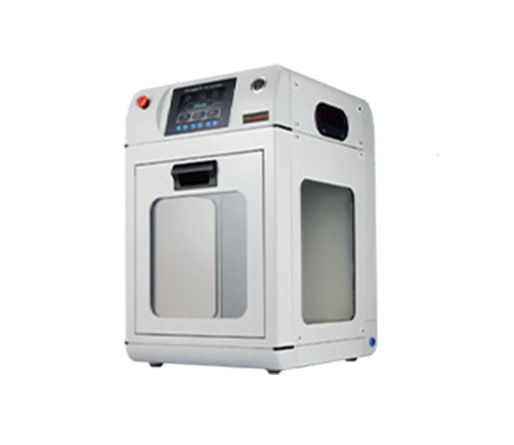
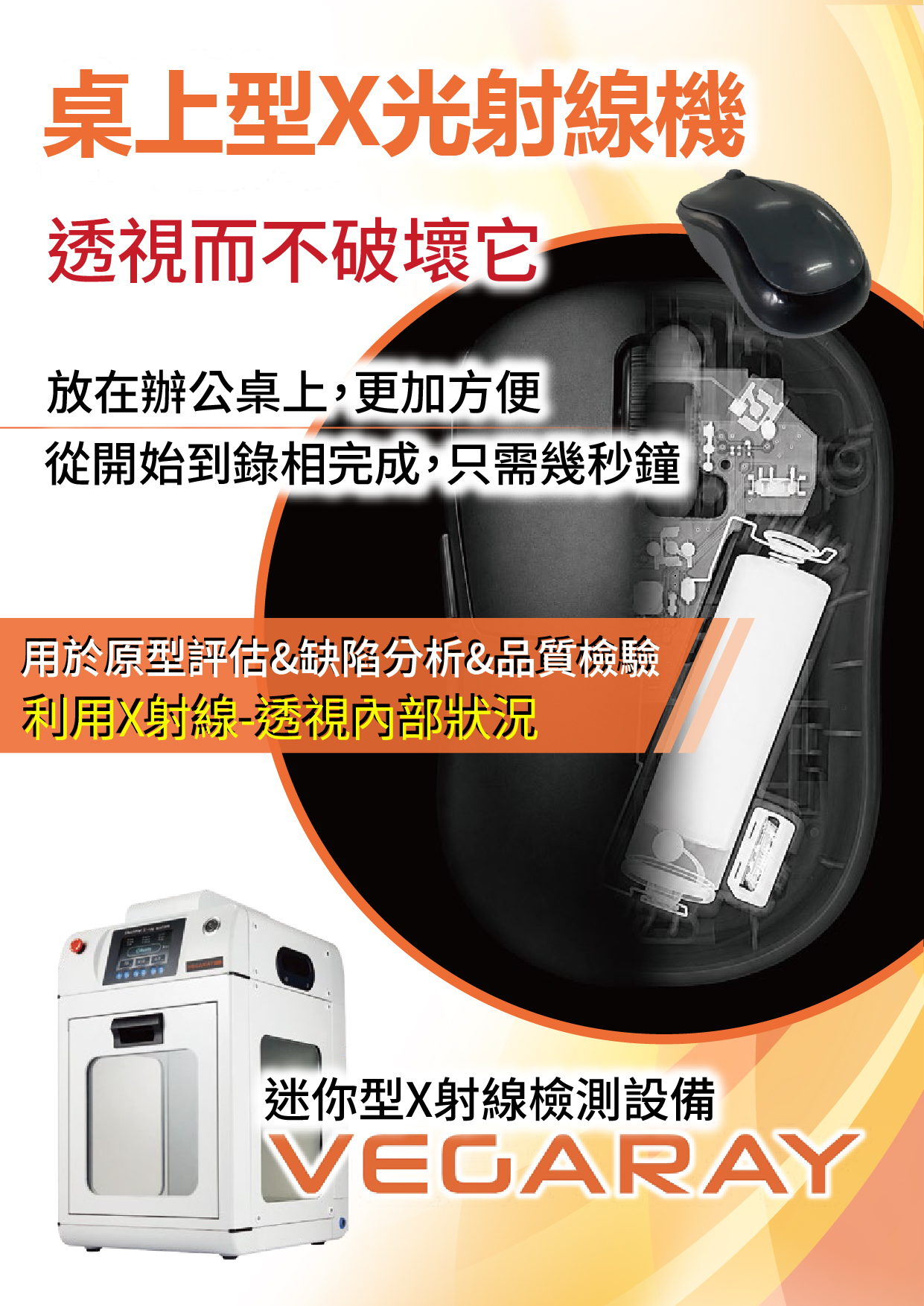
VEGARAY Desktop X-ray machine
Brand: VEGARAY
Product Description:
Safety and Protection: Many users are concerned about radiation leakage when operating X-ray machines on a desktop; however, VEGARAY has prioritized safety in its design.
Ultra-low radiation leakage: External radiation dosage during operation is only about 0.13 μSv/h—far below international nuclear safety standards (approximately 1/100 of Taiwan's nuclear safety standard)—and complies with safety regulations for harmless operation.
Safety Interlock System: If the inspection chamber door is not fully closed, the system automatically locks and prevents X-ray emission.
Emergency Stop Button: The unit features a safety mechanism allowing for an immediate power cut and shutdown in the event of an emergency.
Introduction to the X-ray inspection method for gold

The first method: X-ray fluorescence spectrometry (XRF) – to check surface composition (and test color).
This is the most common desktop instrument found in jewelry stores, pawnshops, and appraisal firms.
How to verify: An XRF instrument emits X-rays onto the surface of the jewelry. Gold and other impurities (such as copper, silver, and nickel) are excited to emit their own unique "secondary X-rays (fluorescence)".
After receiving the signals, the instrument can accurately analyze the percentage of gold (Au) within seconds (e.g., 99.99% pure gold or 18K gold).
XRF's disadvantage: It can only measure the surface (depth is approximately a few micrometers to tens of micrometers).
If the fraudsters are producing high-quality "thick gold plating" (an outer layer of real gold with an inner layer of copper or tungsten), the XRF will be misled and incorrectly identified as real gold.。 The second method: X-ray fluoroscopy/CT imaging machine – to see through the internal structure (to detect "gold-wrapped silver/lead-filled" smuggling).
VEGARAY PRO is the "transparent X-ray machine" that allows for real-time magnification and movement.
Because gold is so expensive, many sophisticated "sandwich" counterfeits have emerged. In these cases, X-ray imaging is necessary to see through the internal structure. Here are some common counterfeiting methods and their X-ray appearance:
1. Filled with lead or copper
Principle: Lead and copper have much lower densities than gold (lead 11.3, copper 8.9, gold 19.3).
X-ray image: Under high voltage (e.g., 80kV), the gold portion will appear very dark, but the lead or copper-filled portions will become noticeably whiter and more translucent. By switching to real-time dynamic mode and rotating the machine, you can easily see obvious internal layering, voids, or uneven interfaces, instantly revealing the counterfeit.
2. Stuffed with Tungsten – The Ultimate Devil
Principle: Tungsten's density (19.25) is almost identical to gold's (19.30).
If tungsten is encased inside a gold bar, traditional weighing, volume measurement (Archimedes' buoyancy method),
or XRF surface inspection will all be fooled.
X-ray Images: Although the density is the same, gold (atomic number 79) and tungsten (atomic number 74) have different atomic numbers.
When using specific high-kV X-ray fluoroscopy (or micron-level industrial CT tomography), there will still be slight differences in the grayscale of tungsten and gold in X-ray images.
More importantly, during real-time movement and rotation, "weld lines" or "glue gaps" can be seen between the tungsten block and the outer gold layer.
This is impossible in pure gold. Summary of the Gold Identification Process
To achieve 100% fraud-proof gold identification, the standard procedure is typically:
First, use XRF (Excitation Fluorescence Spectroscopy): Confirm the surface purity is 9999.
Then, use a desktop X-ray (or micron-level CT): Rotate and magnify to examine the interior, checking for any inclusions, hollow fillings, water injection, lead filling, or tungsten blocks.
Advantages of using a VEGARAY PRO X-ray machine to inspect gold.
Using a VEGARAY PRO-(80KV) X-ray machine to inspect gold (such as gold jewelry, bars, and coins) offers key advantages including high penetration, non-destructive testing, real-time imaging, and effective identification of high-density inclusions.
The specific advantages and applications are as follows:
1. Superior Penetration and Internal Defect Detection: Gold (Au) is a high-density heavy metal with an atomic number of 79. Ordinary low-voltage X-rays (such as 40-50kV) are easily absorbed or reflected by the gold surface, making it impossible to see through the interior.
Seeing Through the Outer Shell: The high voltage of 80kV generates strong "hard X-rays," sufficient to penetrate a gold outer shell of a certain thickness.
Detecting Internal Voids: It can clearly see through gold bars or jewelry to detect defects such as pores, cracks, and shrinkage cavities caused during casting.
2. Precise Identification of Malicious Adulteration such as "Tungsten Impregnation"
In gold fraud, the most common and difficult-to-prevent method is using tungsten (W) to internally encase gold. Because the density of tungsten (19.25 g/cm³) is extremely close to that of gold (19.32 g/cm³), traditional methods such as weighing in water (Archimedes method) or surface energy dispersion X-ray spectroscopy (EDXRF) are completely undetectable.
Significant Image Contrast: Although tungsten and gold have similar densities, their atomic numbers differ (gold is 79, tungsten is 74). Under 80kV X-ray imaging, there is a slight but discernible difference in the absorption rate of X-rays between gold and tungsten, resulting in different grayscale contrasts in the imaging, thus making it impossible for concealed tungsten rods or blocks to hide.
3. True Non-Destructive Testing (NDT)
Does not damage appearance or value: Traditionally, checking for adulteration within gold bars often requires cutting, drilling, or melting, severely damaging the gold's integrity and leading to devaluation. X-ray fluoroscopy is completely non-destructive, leaving the gold intact after inspection.
4. Real-time Dynamic Imaging and High Efficiency
Real-time Imaging: Unlike static X-ray images, "Fluoroscopy" provides real-time dynamic images on a screen.
Multi-angle Rotation: Inspectors can rotate gold samples under X-ray, observing them from different angles in real time, greatly improving detection speed. This is ideal for rapid on-site screening in precious metal recycling, pawn shops, or gold trading markets.
5. Filling the Gaps in Other Testing Technologies
Gold testing often combines multiple methods, and the 80kV fluoroscopy X-ray machine fills the gaps in other technologies:
Handheld XRF: Can only detect the composition at a depth of a few micrometers (µm) on the surface, unable to reveal the interior.
Ultrasonic testing: Easily affected by uneven surfaces, engravings, or packaging on the gold bar.
80kV X-ray vision: Provides a direct, intuitive "internal view" from the inside out, making it the best tool for confirming the integrity of the gold's internal structure.
X-ray attenuation data for common metals
Can the VEGARAY PRO X-ray machine be used to examine the inside of a Rolex watch, allowing professionals to authenticate it?

Yes, professionals can use a desktop X-ray machine like the VEGARAY PRO (equipped with an 80kV + 5µm micro-focus X-ray source + high-resolution flat panel detector).
This non-destructive X-ray device with micro-focus technology can see through the movement structure and component layout of a Rolex watch without disassembling the case back. However, this can only be used as an auxiliary tool; X-ray vision alone cannot make a 100% definitive determination of authenticity.
Why can the VEGARAY PRO X-ray machine be used for observation?
Non-destructive testing: VEGARAY PRO employs a micro-focus X-ray source and a high-resolution flat panel detector to clearly reveal the 2D structure of the metal's internal structure.
No-case opening inspection: Professional watch appraisers or security/identification personnel can inspect the movement without damaging the waterproof gaskets or case back screws, performing a preliminary examination of the movement's bridges, balance wheel, hairspring shape, gear configuration, and any missing parts.
Limitations and Risks of Using X-ray Machines to Authenticate Rolex Watches: Top-Tier Counterfeits (Super A-Grade Replica Movements): Some high-quality counterfeit watches now use replicas of high-end movements (e.g., the balance wheel or structure of the 3235). It's difficult to discern minute differences in finishing, steel materials (such as 904L steel versus white gold components), and the physical properties of the blue niobium hairspring solely through X-ray imaging. It cannot 100% replace physical inspection and professional experience: The final determination of a Rolex's authenticity usually requires a watchmaker to actually open the case, inspect the engraving depth, examine the movement's cleaning and polishing details, weigh it, and even send it back to the original manufacturer (RSC) for a complete testing and maintenance process.
X-ray inspection can be considered the first stage of the Standard Operating Procedure (SOP).
Professional Requirement: Although such desktop equipment has comprehensive radiation protection and interlocking systems, interpreting the authenticity of the movement's minute parts requires highly qualified watch appraisers, not ordinary consumers.
Regardless of whether a Rolex or Patek Philippe is genuine or fake, experts will definitely look at this point for authentication.
Jul 12, 2019 by World Watches
Buying popular watches these days isn't easy; they're all increasingly expensive and unaffordable. Sometimes, you see a watch at a tempting price and impulsively buy it, only to be questioned by friends about whether it's a fake. Then you regret not checking it carefully before buying. We previously introduced how to distinguish genuine Rolex Submariners (black and green), but that mainly focused on the appearance. However, counterfeiters are becoming increasingly sophisticated, sometimes making it difficult to tell from the outside. Don't worry, since appearance alone isn't enough to tell if it's a fake, let's look at the inside—the movement. Counterfeit movements are limited by cost and production volume, making it difficult to achieve a level close to the original. Since the movement has many parts, we'll start by showing you how to distinguish genuine from fake watches by examining the shock absorber in the escapement system.
The function of a shock absorber is to protect the movement and reduce the impact of external forces it receives. However, because shock absorbers are usually located in a corner of the movement, they are easily overlooked.
However, in authenticating a watch, the shock absorber is a very important point of identification, and the method is not difficult. A simple and quick judgment can be made by observing its shape, thus revealing the quality of the movement and even the authenticity of the watch. We will take common shock absorbers on the market as examples to show you how to distinguish between genuine and counterfeit shock absorbers in a movement.
★Common shock absorbers
1. Incabloc shock absorbers
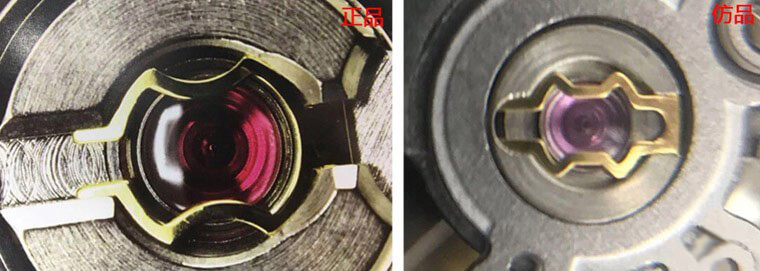
In 1933, the Swiss company Universal Escapement launched the Incabloc shock absorber. Incabloc is the trademark name for shock absorbers used in Swiss-made movements. Shaped like a semi-circular suspension frame with two missing corners, it's called a jewel bearing with a retaining stone. Beneath the retaining stone is a jewel bearing with a retaining stone, maintaining the relative position of the gear shaft and the jewel bearing. When impacted, it allows the gear shaft and retaining stone to shift synchronously, preventing damage to the shaft from sudden force. The popularity of the Incabloc shock absorber not only made the name "Incabloc" renowned in the watchmaking world but also deeply ingrained this horseshoe-shaped metal plate in the hearts of watch enthusiasts.
▲The Incabloc shock absorber is currently the most common shock absorber, used in many ETA movements such as the 2824, 2836, and 2892, and also by renowned watch brands such as Glashütte Original and A. Lange & Söhne. Therefore, ETA's chronometer movements all use this shock absorber. The original Incabloc shock absorbers have a neat and uniform shape, but the counterfeit ones shown in the picture only aim to make a horseshoe shape, which is much less refined.
2. KIF shock absorbers
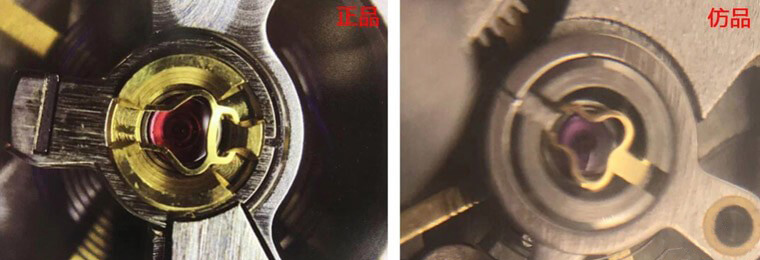
The word KIF comes from Arabic and means "same effect." KIF was a competitor seeking a share of the market after Incabloc's dominance. Since 1944, it has been used by many high-end watchmakers due to its superior performance. Its single-edged design mitigates impacts, and its shock-absorbing springs are easy to replace. It balances pressure using three support points. Many brands unwilling to conform to Incabloc's standards switched to KIF shock absorbers.
▲KIF shock absorbers are commonly found in high-end watch movements. Swiss luxury brands favor KIF, such as Rolex, Patek Philippe, and Vacheron Constantin. Rolex was the first brand to leave Incabloc and switch to KIF. Of course, Rolex no longer uses KIF shock absorbers. After using KIF for half a century, they launched their own Paraflex shock-absorbing system in 2005, but that's another story. Genuine KIF shock absorbers are shaped somewhat like gourds. While counterfeit products may also have a similar gourd shape, there are still obvious differences between the two when comparing the opening positions of the gourds on genuine and counterfeit products.
3. Etashoc shock absorbers (triangular shock absorbers)
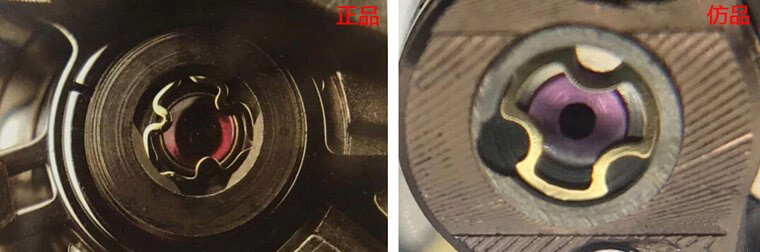
In the late 1990s, the Etashoc shock absorber emerged. The triangular shock absorber is the most affordable shock absorber in the watchmaking world, manufactured by Incabloc to meet the requirements of ETA.
▲Due to its lower cost, the triangular shock absorber is widely used in various ETA movements. It was first used in the ETA 2836, and is now appearing in the ETA 2824 as well. It's worth noting that movements like the ETA 2824 and ETA 2836 have two versions of the shock absorber: one is the Incabloc horseshoe shape, and the other is the Etashoc triangle. Genuine triangular shock absorbers have openings at the corners, while counterfeits are generally made closed.
4. Nivachoc shock absorbers
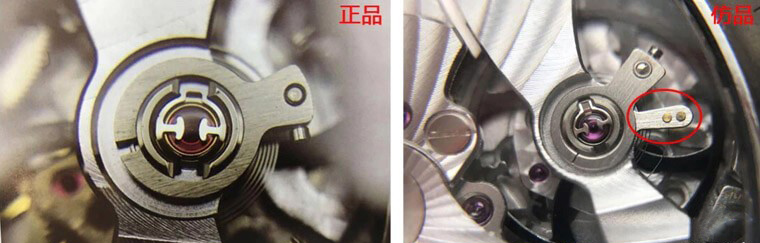
In 2006, Breguet's new generation 777Q automatic movement, under the Swatch Group, began using the new Nivachoc shock absorber, as did Omega's 8500 Co-Axial escapement movement. Now, Longines' new L888 movement also uses this shock absorber. Its shape resembles the letter double T, hence its common name, the double-T shock absorber. Its performance is said to rival Rolex's Paraflex shock absorber, but at a more affordable price.
▲This shock absorber was specially designed by Gabriel for ETA, initially only applicable to the ETA 2836, but now also seen in the ETA 2824. Counterfeits resemble the genuine article in shape, but have an additional "sprung" resembling rabbit ears. Genuine movements generally use a free-sprung balance.
5. Paraflex shock absorbers
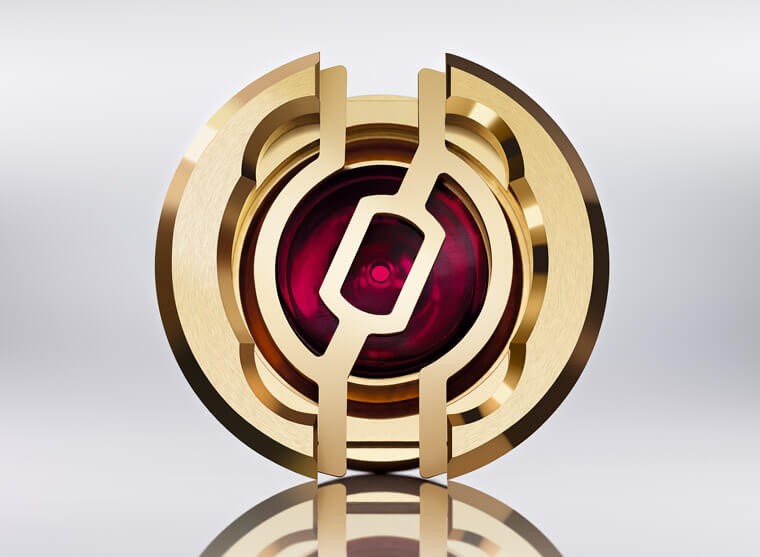
Continuing from the above, the Paraflex shock absorber is a new shock-absorbing device introduced by Rolex in 2005, offering 50% better shock absorption than traditional shock absorbers. Prior to this, Rolex used KIF shock absorbers. However, it's important to note that Rolex doesn't use Paraflex shock absorbers across its entire movement line; they are only found in newer movements such as the 3132, 3136, 3156, 3187, and 9001.
Thanks to the author of this article / Sam Lin. Sam grew up in a family-run watch shop, developing an early interest in watches. He even obtained a senior watch appraiser qualification, possessing extensive knowledge of watches and a long-term, in-depth understanding of industry trends and market conditions.
The first method: X-ray fluorescence spectrometry (XRF) – to check surface composition (and test color).
This is the most common desktop instrument found in jewelry stores, pawnshops, and appraisal firms.
How to verify: An XRF instrument emits X-rays onto the surface of the jewelry. Gold and other impurities (such as copper, silver, and nickel) are excited to emit their own unique "secondary X-rays (fluorescence)".
After receiving the signals, the instrument can accurately analyze the percentage of gold (Au) within seconds (e.g., 99.99% pure gold or 18K gold).
XRF's disadvantage: It can only measure the surface (depth is approximately a few micrometers to tens of micrometers).
If the fraudsters are producing high-quality "thick gold plating" (an outer layer of real gold with an inner layer of copper or tungsten), the XRF will be misled and incorrectly identified as real gold.。 The second method: X-ray fluoroscopy/CT imaging machine – to see through the internal structure (to detect "gold-wrapped silver/lead-filled" smuggling).
VEGARAY PRO is the "transparent X-ray machine" that allows for real-time magnification and movement.
Because gold is so expensive, many sophisticated "sandwich" counterfeits have emerged. In these cases, X-ray imaging is necessary to see through the internal structure. Here are some common counterfeiting methods and their X-ray appearance:
1. Filled with lead or copper
Principle: Lead and copper have much lower densities than gold (lead 11.3, copper 8.9, gold 19.3).
X-ray image: Under high voltage (e.g., 80kV), the gold portion will appear very dark, but the lead or copper-filled portions will become noticeably whiter and more translucent. By switching to real-time dynamic mode and rotating the machine, you can easily see obvious internal layering, voids, or uneven interfaces, instantly revealing the counterfeit.
2. Stuffed with Tungsten – The Ultimate Devil
Principle: Tungsten's density (19.25) is almost identical to gold's (19.30).
If tungsten is encased inside a gold bar, traditional weighing, volume measurement (Archimedes' buoyancy method),
or XRF surface inspection will all be fooled.
X-ray Images: Although the density is the same, gold (atomic number 79) and tungsten (atomic number 74) have different atomic numbers.
When using specific high-kV X-ray fluoroscopy (or micron-level industrial CT tomography), there will still be slight differences in the grayscale of tungsten and gold in X-ray images.
More importantly, during real-time movement and rotation, "weld lines" or "glue gaps" can be seen between the tungsten block and the outer gold layer.
This is impossible in pure gold. Summary of the Gold Identification Process
To achieve 100% fraud-proof gold identification, the standard procedure is typically:
First, use XRF (Excitation Fluorescence Spectroscopy): Confirm the surface purity is 9999.
Then, use a desktop X-ray (or micron-level CT): Rotate and magnify to examine the interior, checking for any inclusions, hollow fillings, water injection, lead filling, or tungsten blocks.
Advantages of using a VEGARAY PRO X-ray machine to inspect gold.
Using a VEGARAY PRO-(80KV) X-ray machine to inspect gold (such as gold jewelry, bars, and coins) offers key advantages including high penetration, non-destructive testing, real-time imaging, and effective identification of high-density inclusions.
The specific advantages and applications are as follows:
1. Superior Penetration and Internal Defect Detection: Gold (Au) is a high-density heavy metal with an atomic number of 79. Ordinary low-voltage X-rays (such as 40-50kV) are easily absorbed or reflected by the gold surface, making it impossible to see through the interior.
Seeing Through the Outer Shell: The high voltage of 80kV generates strong "hard X-rays," sufficient to penetrate a gold outer shell of a certain thickness.
Detecting Internal Voids: It can clearly see through gold bars or jewelry to detect defects such as pores, cracks, and shrinkage cavities caused during casting.
2. Precise Identification of Malicious Adulteration such as "Tungsten Impregnation"
In gold fraud, the most common and difficult-to-prevent method is using tungsten (W) to internally encase gold. Because the density of tungsten (19.25 g/cm³) is extremely close to that of gold (19.32 g/cm³), traditional methods such as weighing in water (Archimedes method) or surface energy dispersion X-ray spectroscopy (EDXRF) are completely undetectable.
Significant Image Contrast: Although tungsten and gold have similar densities, their atomic numbers differ (gold is 79, tungsten is 74). Under 80kV X-ray imaging, there is a slight but discernible difference in the absorption rate of X-rays between gold and tungsten, resulting in different grayscale contrasts in the imaging, thus making it impossible for concealed tungsten rods or blocks to hide.
3. True Non-Destructive Testing (NDT)
Does not damage appearance or value: Traditionally, checking for adulteration within gold bars often requires cutting, drilling, or melting, severely damaging the gold's integrity and leading to devaluation. X-ray fluoroscopy is completely non-destructive, leaving the gold intact after inspection.
4. Real-time Dynamic Imaging and High Efficiency
Real-time Imaging: Unlike static X-ray images, "Fluoroscopy" provides real-time dynamic images on a screen.
Multi-angle Rotation: Inspectors can rotate gold samples under X-ray, observing them from different angles in real time, greatly improving detection speed. This is ideal for rapid on-site screening in precious metal recycling, pawn shops, or gold trading markets.
5. Filling the Gaps in Other Testing Technologies
Gold testing often combines multiple methods, and the 80kV fluoroscopy X-ray machine fills the gaps in other technologies:
Handheld XRF: Can only detect the composition at a depth of a few micrometers (µm) on the surface, unable to reveal the interior.
Ultrasonic testing: Easily affected by uneven surfaces, engravings, or packaging on the gold bar.
80kV X-ray vision: Provides a direct, intuitive "internal view" from the inside out, making it the best tool for confirming the integrity of the gold's internal structure.
X-ray attenuation data for common metals
| Metal types | density |
30 keV (approximately 50kV tube voltage for low energy applications) | 100 keV (approximately 150kV tube voltage for medium energy) | Penetration Difficulty Brief Review |
| Mg | 1.74 | ~1.65 | ~0.16 | It penetrates very easily and is often used for testing lightweight casings. |
| Al | 2.70 | 1.22 | 0.17 | Easy to penetrate, making it the first choice for PCB heat sinks or castings in electronics factories. |
| Ti | 4.54 | 5.05 | 0.26 | Medium-grade, commonly found in biomedical bone screws or aerospace parts. |
| Fe /Steel | 7.87 | 8.18 | 0.37 | It is relatively difficult; the limit for industrial benchtop X-ray machines to penetrate iron is typically a few millimeters to 1-2 centimeters. |
| Ni | 8.91 | 12.8 | 0.44 | It is often used as a supporting element to karat gold. It is slightly less penetrable under X-rays than iron, but because its density is less than half that of gold, it is easy to spot if there is a core inside under X-ray. |
| Ag | 10.50 | 33.70 | 1.13 | Common precious metals. They exhibit special interference at low pressures, but their blocking power is far lower than that of gold and platinum at medium to high energies (1.13). |
| Cu | 8.96 | 11.5 | 0.46 | It's quite difficult; semiconductor wire bonding or thick copper layers on circuit boards require high voltage. The most common methods involve alloys and counterfeit cores (such as gold-plated copper). At high energy, the attenuation coefficient (0.46) is extremely low; 100 kV X-rays can easily see through it. If a copper block is hidden inside the gold, the image will noticeably brighten by one color level (become more translucent). |
| Sn | 7.31 | 41.2 | 1.18 | The problem is that the solder paste/solder balls on the circuit board will appear very dark in the image (due to high absorption). |
| Ag | 10.5 | 33.7 | 1.13 | It is often used as a substitute for karat gold or platinum. Silver has a low energy barrier (33.7) at 30 keV, so when exposed to high-voltage X-rays, it is easy to distinguish between real gold and silver-plated gold. |
| W | 19.3 | 25.1 | 4.43 | Extremely difficult to fabricate (a high-level forgery master), typically used as shielding or target material inside X-ray machines. Its density is nearly identical to gold, and its attenuation coefficient is extremely close, requiring micron-level CT analysis of the interface gaps. |
| Pb | 11.35 | 30.3 | 5.55 | Extremely difficult (protective material), specifically designed for use as insulation material in X-ray protective boxes. |
| Au | 19.30 | 31.5 | 5.16 | Extremely difficult! (Demon King level) At medium to high energy levels, it is even more difficult to penetrate than lead, and it will appear as a completely black image. |
| Pt | 21.45 | 30.10 | 5.27 | Ultimate Demon King (Extremely Difficult). Its density (21.45) and high-energy decay (5.27) both surpass gold, making it extremely difficult for X-rays to penetrate. |
Can the VEGARAY PRO X-ray machine be used to examine the inside of a Rolex watch, allowing professionals to authenticate it?
Yes, professionals can use a desktop X-ray machine like the VEGARAY PRO (equipped with an 80kV + 5µm micro-focus X-ray source + high-resolution flat panel detector).
This non-destructive X-ray device with micro-focus technology can see through the movement structure and component layout of a Rolex watch without disassembling the case back. However, this can only be used as an auxiliary tool; X-ray vision alone cannot make a 100% definitive determination of authenticity.
Why can the VEGARAY PRO X-ray machine be used for observation?
Non-destructive testing: VEGARAY PRO employs a micro-focus X-ray source and a high-resolution flat panel detector to clearly reveal the 2D structure of the metal's internal structure.
No-case opening inspection: Professional watch appraisers or security/identification personnel can inspect the movement without damaging the waterproof gaskets or case back screws, performing a preliminary examination of the movement's bridges, balance wheel, hairspring shape, gear configuration, and any missing parts.
Limitations and Risks of Using X-ray Machines to Authenticate Rolex Watches: Top-Tier Counterfeits (Super A-Grade Replica Movements): Some high-quality counterfeit watches now use replicas of high-end movements (e.g., the balance wheel or structure of the 3235). It's difficult to discern minute differences in finishing, steel materials (such as 904L steel versus white gold components), and the physical properties of the blue niobium hairspring solely through X-ray imaging. It cannot 100% replace physical inspection and professional experience: The final determination of a Rolex's authenticity usually requires a watchmaker to actually open the case, inspect the engraving depth, examine the movement's cleaning and polishing details, weigh it, and even send it back to the original manufacturer (RSC) for a complete testing and maintenance process.
X-ray inspection can be considered the first stage of the Standard Operating Procedure (SOP).
Professional Requirement: Although such desktop equipment has comprehensive radiation protection and interlocking systems, interpreting the authenticity of the movement's minute parts requires highly qualified watch appraisers, not ordinary consumers.
Regardless of whether a Rolex or Patek Philippe is genuine or fake, experts will definitely look at this point for authentication.
Jul 12, 2019 by World Watches
Buying popular watches these days isn't easy; they're all increasingly expensive and unaffordable. Sometimes, you see a watch at a tempting price and impulsively buy it, only to be questioned by friends about whether it's a fake. Then you regret not checking it carefully before buying. We previously introduced how to distinguish genuine Rolex Submariners (black and green), but that mainly focused on the appearance. However, counterfeiters are becoming increasingly sophisticated, sometimes making it difficult to tell from the outside. Don't worry, since appearance alone isn't enough to tell if it's a fake, let's look at the inside—the movement. Counterfeit movements are limited by cost and production volume, making it difficult to achieve a level close to the original. Since the movement has many parts, we'll start by showing you how to distinguish genuine from fake watches by examining the shock absorber in the escapement system.
The function of a shock absorber is to protect the movement and reduce the impact of external forces it receives. However, because shock absorbers are usually located in a corner of the movement, they are easily overlooked.
However, in authenticating a watch, the shock absorber is a very important point of identification, and the method is not difficult. A simple and quick judgment can be made by observing its shape, thus revealing the quality of the movement and even the authenticity of the watch. We will take common shock absorbers on the market as examples to show you how to distinguish between genuine and counterfeit shock absorbers in a movement.
★Common shock absorbers
1. Incabloc shock absorbers
In 1933, the Swiss company Universal Escapement launched the Incabloc shock absorber. Incabloc is the trademark name for shock absorbers used in Swiss-made movements. Shaped like a semi-circular suspension frame with two missing corners, it's called a jewel bearing with a retaining stone. Beneath the retaining stone is a jewel bearing with a retaining stone, maintaining the relative position of the gear shaft and the jewel bearing. When impacted, it allows the gear shaft and retaining stone to shift synchronously, preventing damage to the shaft from sudden force. The popularity of the Incabloc shock absorber not only made the name "Incabloc" renowned in the watchmaking world but also deeply ingrained this horseshoe-shaped metal plate in the hearts of watch enthusiasts.
▲The Incabloc shock absorber is currently the most common shock absorber, used in many ETA movements such as the 2824, 2836, and 2892, and also by renowned watch brands such as Glashütte Original and A. Lange & Söhne. Therefore, ETA's chronometer movements all use this shock absorber. The original Incabloc shock absorbers have a neat and uniform shape, but the counterfeit ones shown in the picture only aim to make a horseshoe shape, which is much less refined.
2. KIF shock absorbers
The word KIF comes from Arabic and means "same effect." KIF was a competitor seeking a share of the market after Incabloc's dominance. Since 1944, it has been used by many high-end watchmakers due to its superior performance. Its single-edged design mitigates impacts, and its shock-absorbing springs are easy to replace. It balances pressure using three support points. Many brands unwilling to conform to Incabloc's standards switched to KIF shock absorbers.
▲KIF shock absorbers are commonly found in high-end watch movements. Swiss luxury brands favor KIF, such as Rolex, Patek Philippe, and Vacheron Constantin. Rolex was the first brand to leave Incabloc and switch to KIF. Of course, Rolex no longer uses KIF shock absorbers. After using KIF for half a century, they launched their own Paraflex shock-absorbing system in 2005, but that's another story. Genuine KIF shock absorbers are shaped somewhat like gourds. While counterfeit products may also have a similar gourd shape, there are still obvious differences between the two when comparing the opening positions of the gourds on genuine and counterfeit products.
3. Etashoc shock absorbers (triangular shock absorbers)
In the late 1990s, the Etashoc shock absorber emerged. The triangular shock absorber is the most affordable shock absorber in the watchmaking world, manufactured by Incabloc to meet the requirements of ETA.
▲Due to its lower cost, the triangular shock absorber is widely used in various ETA movements. It was first used in the ETA 2836, and is now appearing in the ETA 2824 as well. It's worth noting that movements like the ETA 2824 and ETA 2836 have two versions of the shock absorber: one is the Incabloc horseshoe shape, and the other is the Etashoc triangle. Genuine triangular shock absorbers have openings at the corners, while counterfeits are generally made closed.
4. Nivachoc shock absorbers
In 2006, Breguet's new generation 777Q automatic movement, under the Swatch Group, began using the new Nivachoc shock absorber, as did Omega's 8500 Co-Axial escapement movement. Now, Longines' new L888 movement also uses this shock absorber. Its shape resembles the letter double T, hence its common name, the double-T shock absorber. Its performance is said to rival Rolex's Paraflex shock absorber, but at a more affordable price.
▲This shock absorber was specially designed by Gabriel for ETA, initially only applicable to the ETA 2836, but now also seen in the ETA 2824. Counterfeits resemble the genuine article in shape, but have an additional "sprung" resembling rabbit ears. Genuine movements generally use a free-sprung balance.
5. Paraflex shock absorbers
Continuing from the above, the Paraflex shock absorber is a new shock-absorbing device introduced by Rolex in 2005, offering 50% better shock absorption than traditional shock absorbers. Prior to this, Rolex used KIF shock absorbers. However, it's important to note that Rolex doesn't use Paraflex shock absorbers across its entire movement line; they are only found in newer movements such as the 3132, 3136, 3156, 3187, and 9001.
Thanks to the author of this article / Sam Lin. Sam grew up in a family-run watch shop, developing an early interest in watches. He even obtained a senior watch appraiser qualification, possessing extensive knowledge of watches and a long-term, in-depth understanding of industry trends and market conditions.
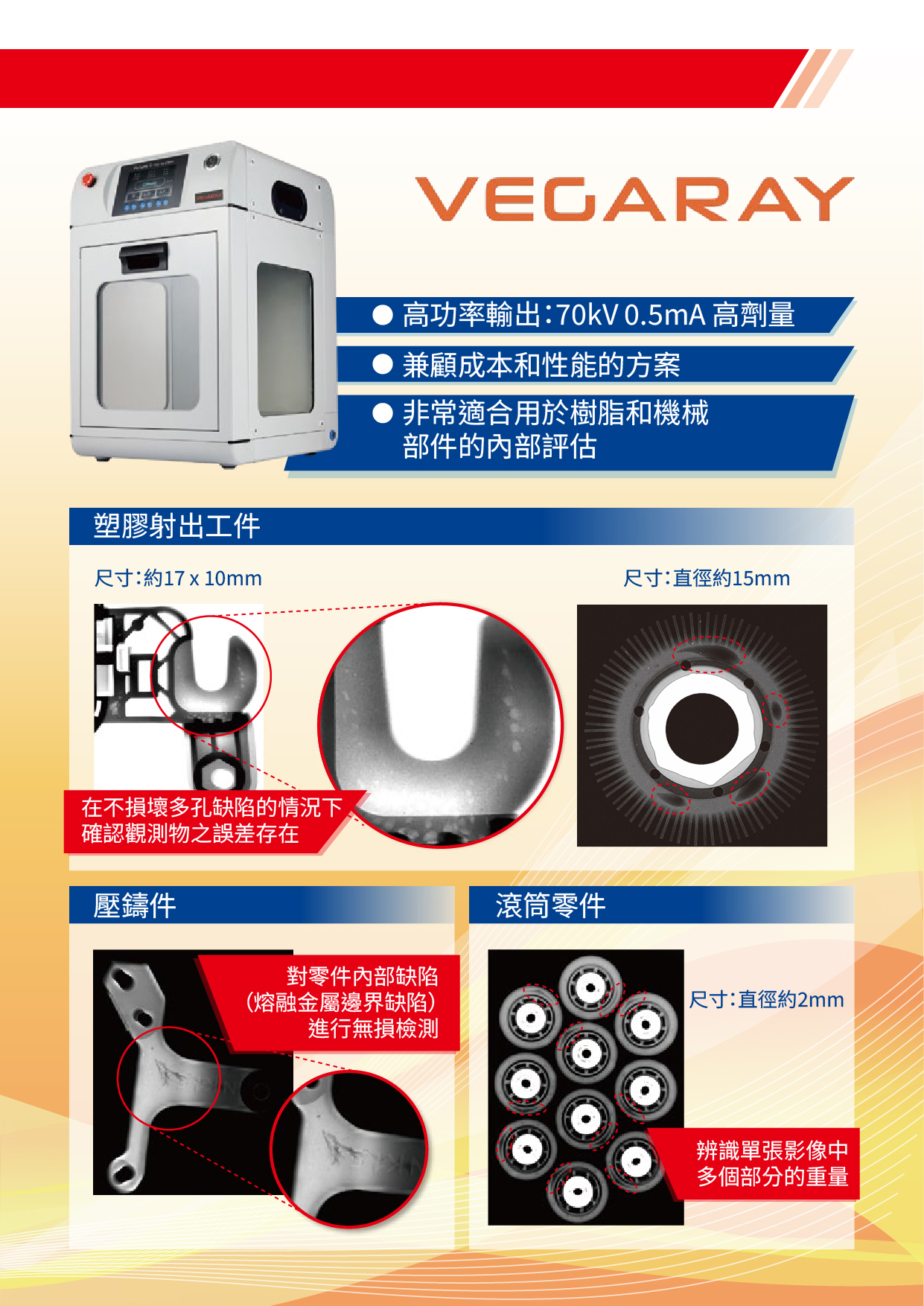
The VEGARAY series features the following core technologies:
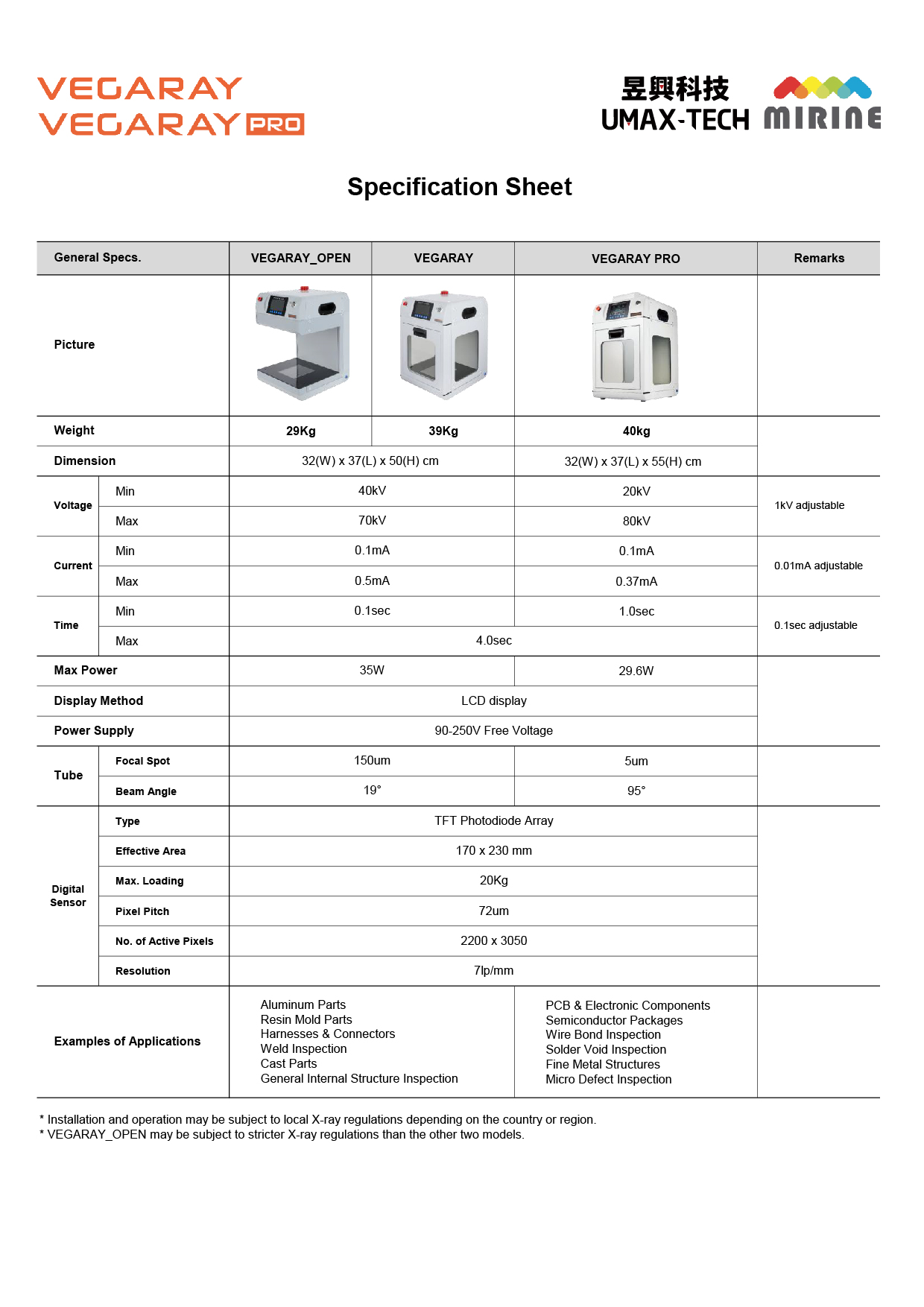
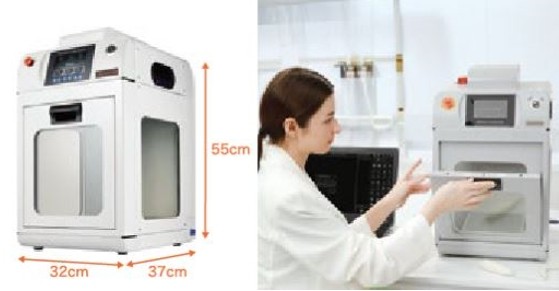
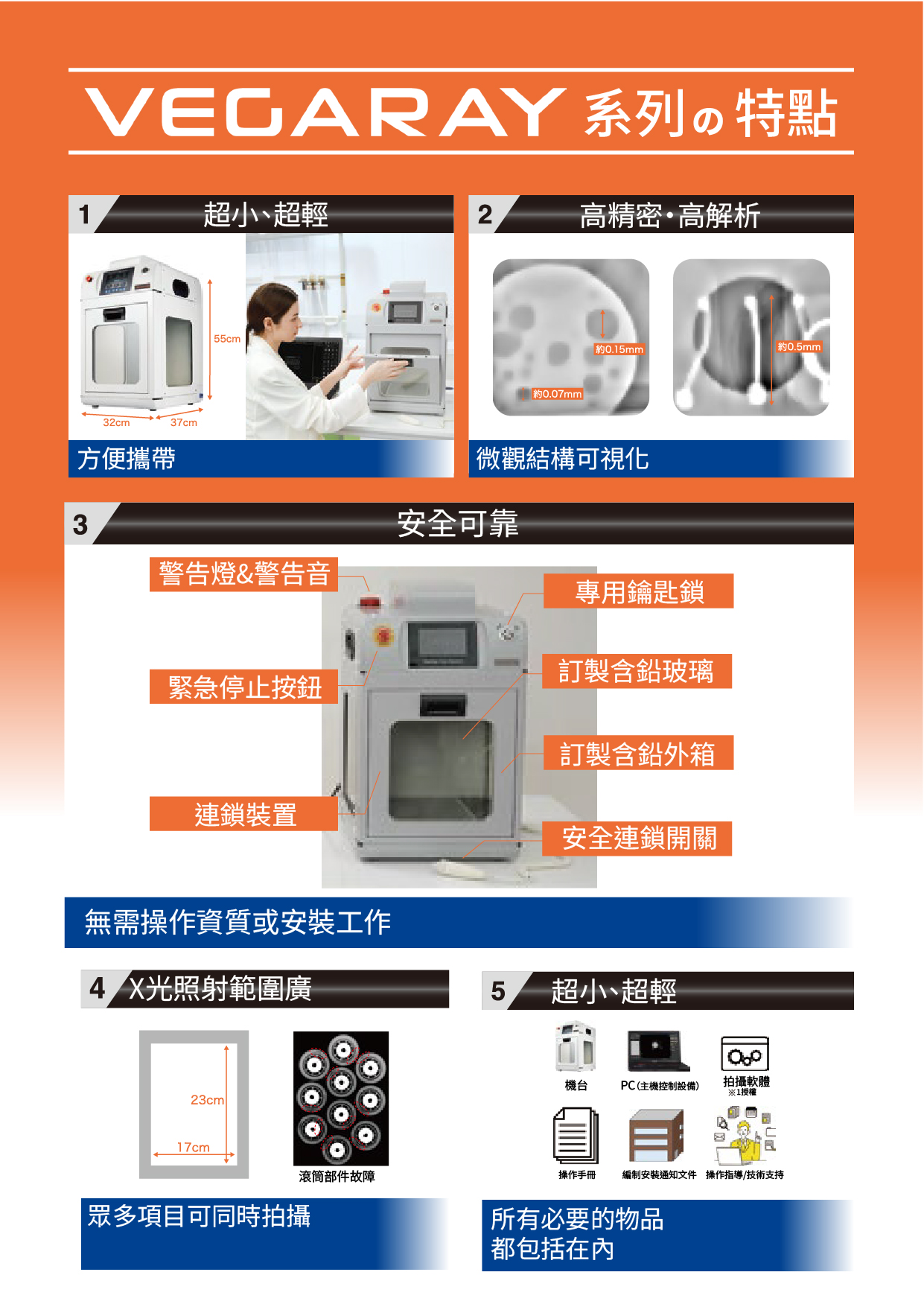
1. Ultra-compact size: The unit measures approximately 32cm × 37cm × 55cm and weighs about 39–40 kg.
It occupies a footprint comparable to a home printer, offering exceptional spatial flexibility and portability.
Micro-focus Source:
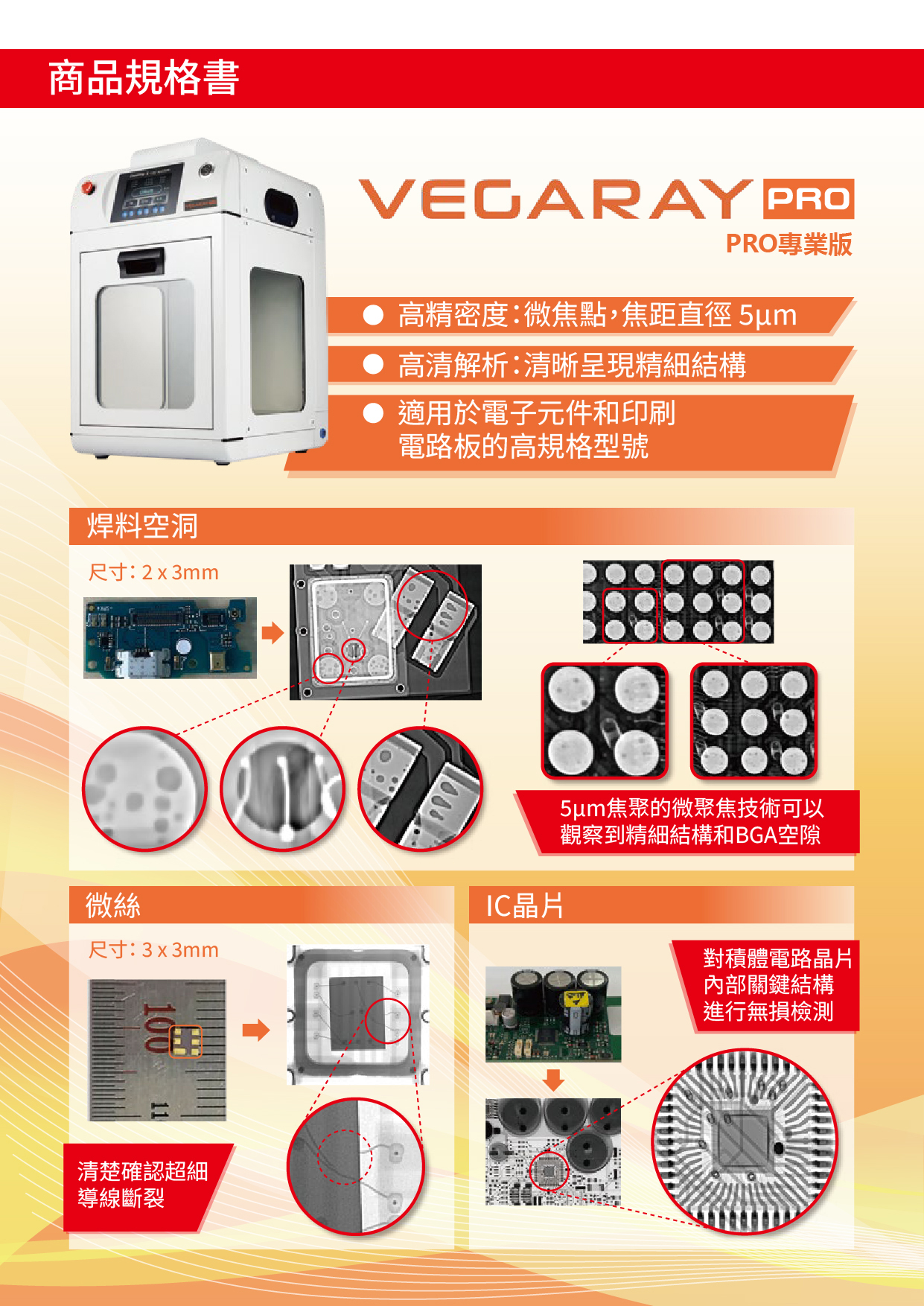
Equipped with a 5 μm micro-focus source, enabling high-resolution 2D X-ray imaging to detect minute defects.
Large imaging area:
Despite its compact size, it offers a large imaging area of up to 170 mm × 230 mm, accommodating samples of various sizes.
2. High-resolution real-time imaging and versatile processing:
Supports real-time observation; bundled software includes features such as image averaging (to enhance image quality),
digital zoom, 3D emboss effects, and precision measurement and annotation tools.
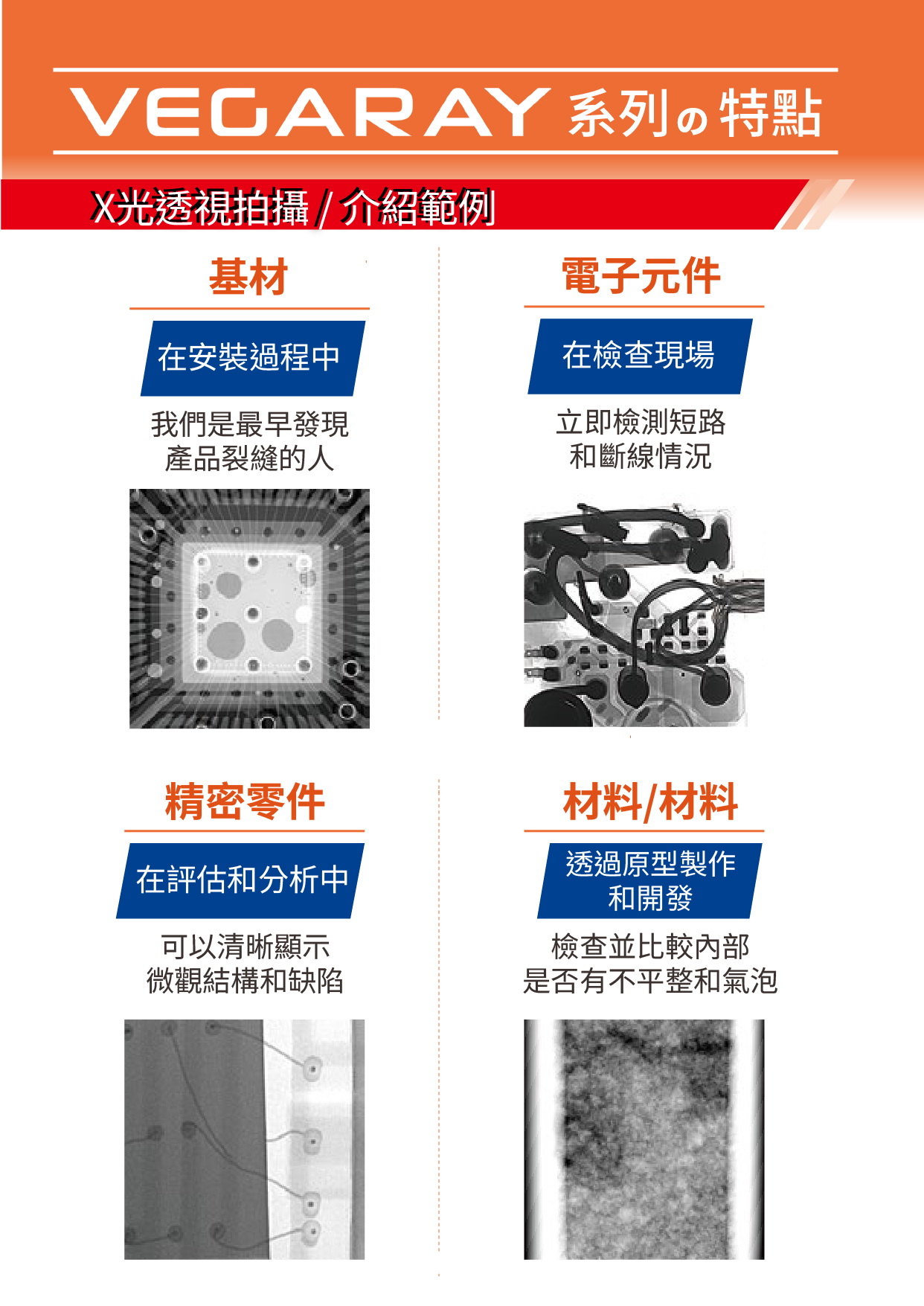
Key applications: This equipment is ideally suited for R&D, Quality Control (QC), and Failure Analysis (FA)
in the fields of electronic components and precision manufacturing.
Printed Circuit Boards (PCB / SMT):
Inspection for internal circuit open/short circuits, as well as defects such as voids or cold solder joints in BGA solder balls.
Micro-electronic components:
Mobile phone components (e.g., lenses, sensors, GPS modules) and internal gold wire bonding inspection in semiconductor chips.
Precision components and materials:
Heater coils, internal voids in 3D-printed objects, and non-destructive internal structural observation of biological specimens and plastic mechanical parts.
Rolex/Luxury Watches:
Examine the watch's internal construction and the craftsmanship of its components—no need to open the case.
Gold/Precious Metals:
Examine the gold-plated layer to determine whether other materials are intermixed within it.
Hermès/Designer Bags:
Non-destructive internal structure observation of heater coils, internal pores of 3D printed objects, biological specimens and plastic machine components.
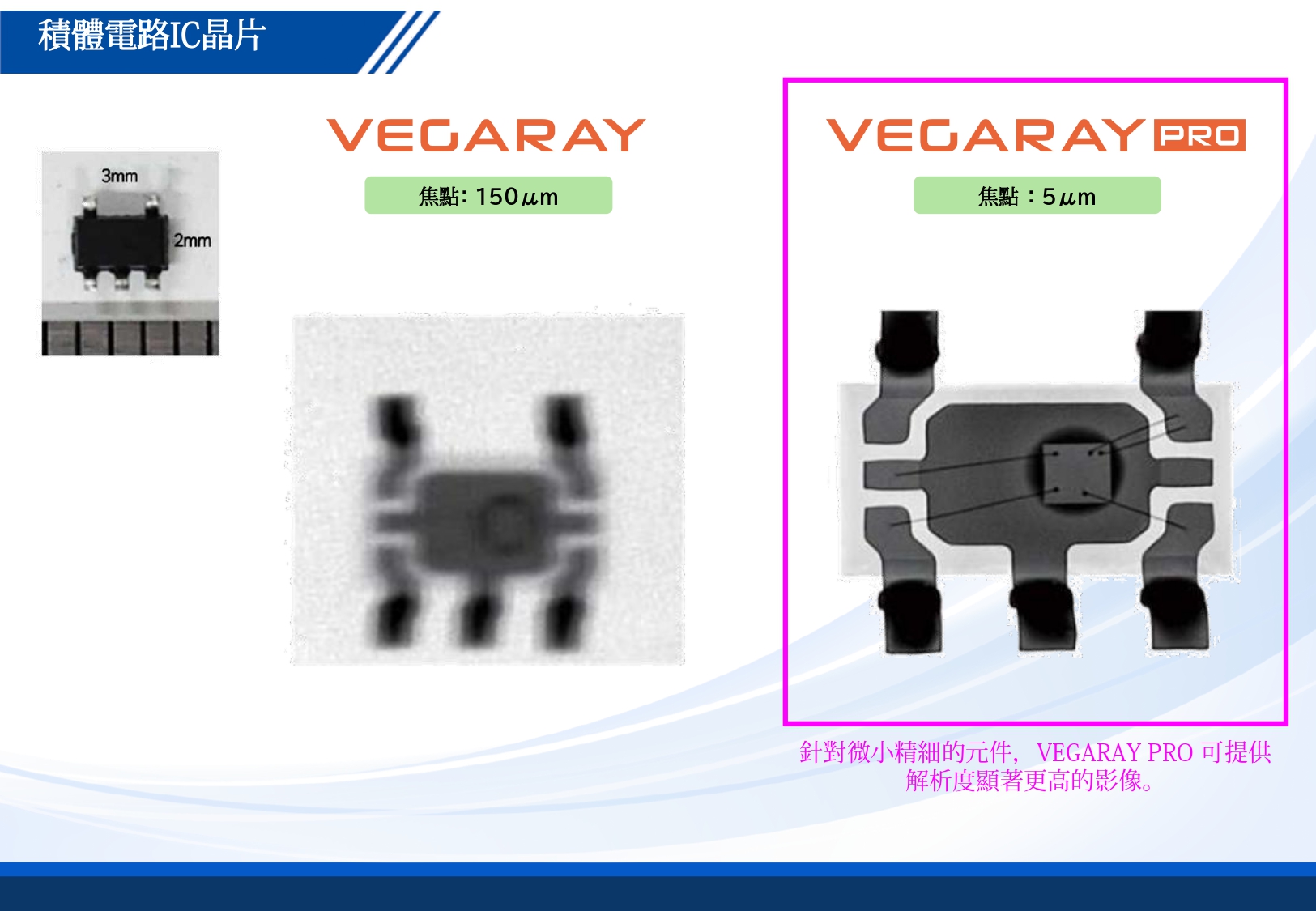
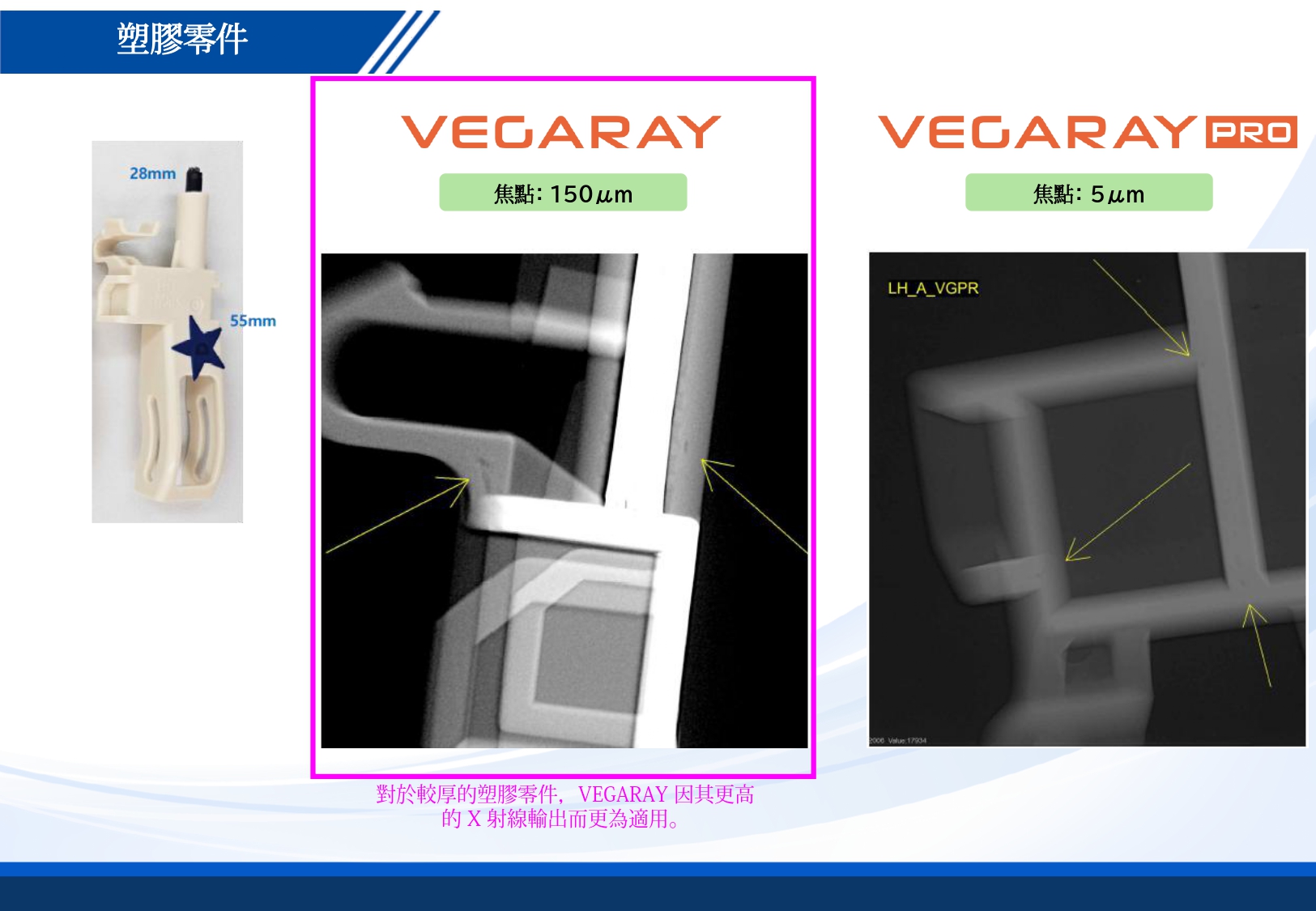
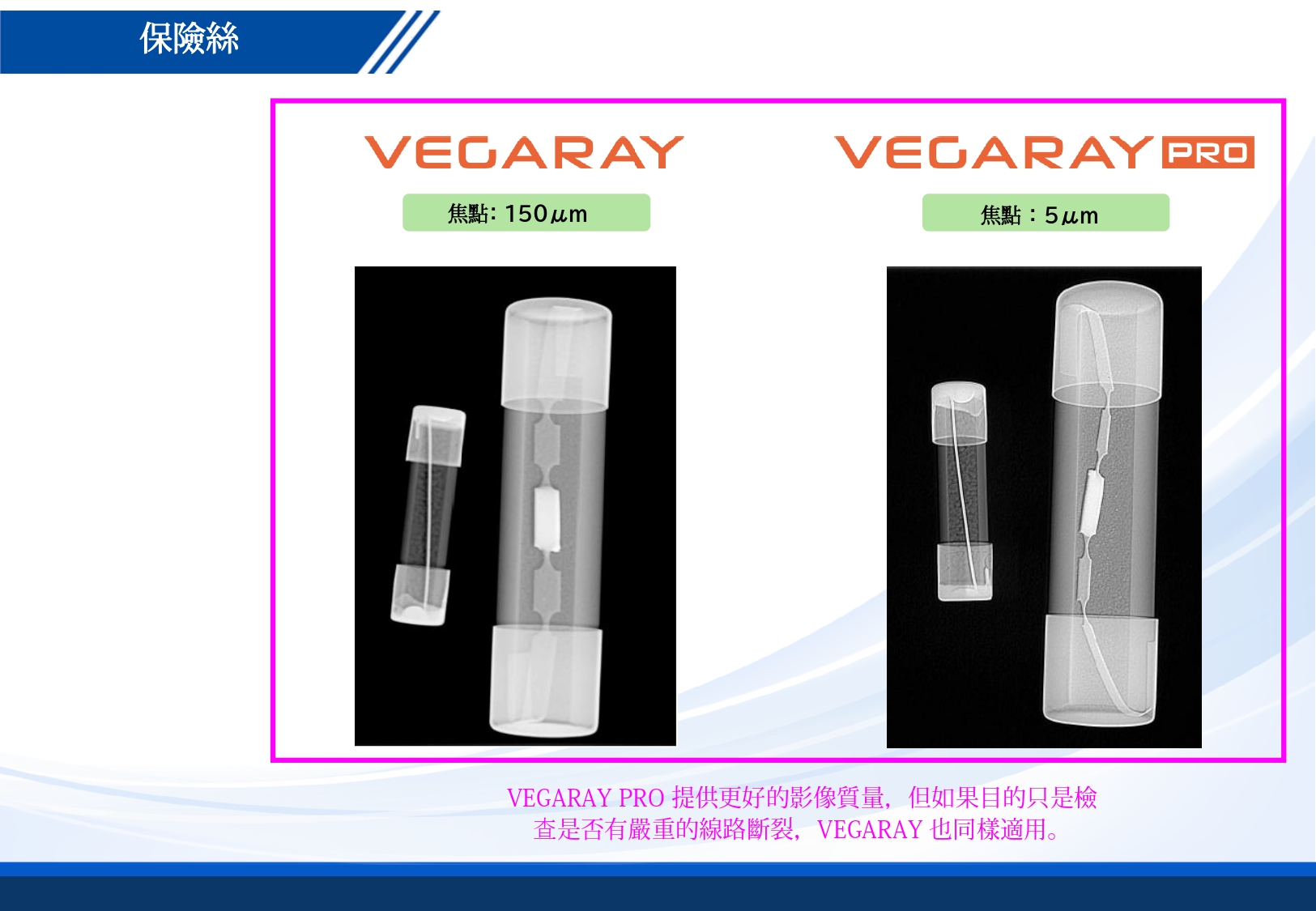
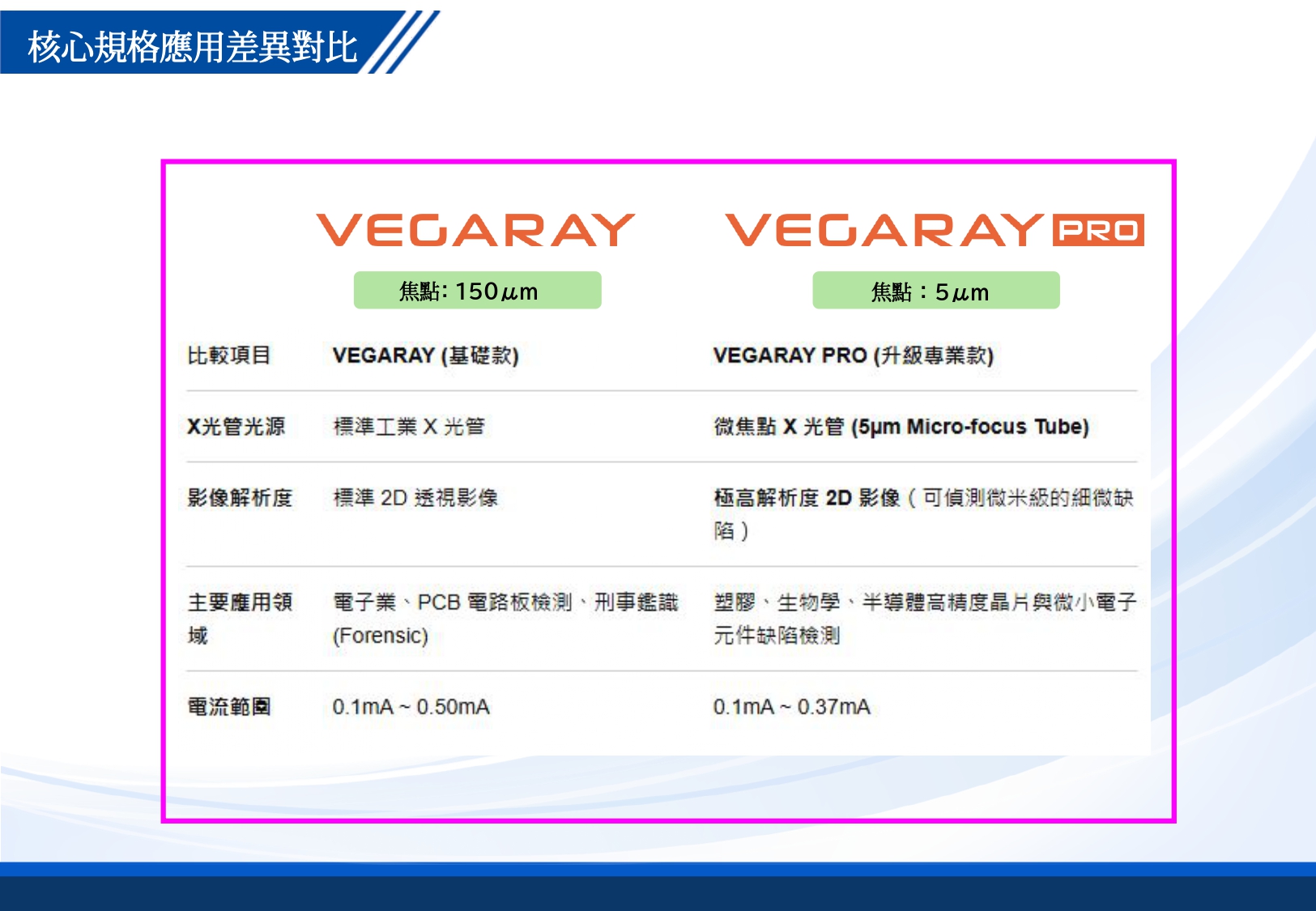
The primary differences between the VEGARAY standard model and the VEGARAY PRO model lie in the level of observable detail and the X-ray output.
The VEGARAY PRO features a smaller focal spot size, enabling finer imaging—such as inspecting the radius of gear edges inside a watch, or determining whether a counterfeit gold item has merely been plated or contains a different metal core.
In contrast, the VEGARAY offers higher X-ray output than the VEGARAY PRO, making it better suited for observing the overall internal structure of thicker objects.
The VEGARAY is particularly ideal when you need to examine the complete internal structure of an object.
Comparison of features and performance between VEGARAY and VEGARAY PRO


1. Ultra-compact size: The unit measures approximately 32cm × 37cm × 55cm and weighs about 39–40 kg.
It occupies a footprint comparable to a home printer, offering exceptional spatial flexibility and portability.
Micro-focus Source:
Equipped with a 5 μm micro-focus source, enabling high-resolution 2D X-ray imaging to detect minute defects.
Large imaging area:
Despite its compact size, it offers a large imaging area of up to 170 mm × 230 mm, accommodating samples of various sizes.
2. High-resolution real-time imaging and versatile processing:
Supports real-time observation; bundled software includes features such as image averaging (to enhance image quality),
digital zoom, 3D emboss effects, and precision measurement and annotation tools.
Key applications: This equipment is ideally suited for R&D, Quality Control (QC), and Failure Analysis (FA)
in the fields of electronic components and precision manufacturing.
Printed Circuit Boards (PCB / SMT):
Inspection for internal circuit open/short circuits, as well as defects such as voids or cold solder joints in BGA solder balls.
Micro-electronic components:
Mobile phone components (e.g., lenses, sensors, GPS modules) and internal gold wire bonding inspection in semiconductor chips.
Precision components and materials:
Heater coils, internal voids in 3D-printed objects, and non-destructive internal structural observation of biological specimens and plastic mechanical parts.
Rolex/Luxury Watches:
Examine the watch's internal construction and the craftsmanship of its components—no need to open the case.
Gold/Precious Metals:
Examine the gold-plated layer to determine whether other materials are intermixed within it.
Hermès/Designer Bags:
Non-destructive internal structure observation of heater coils, internal pores of 3D printed objects, biological specimens and plastic machine components.
The primary differences between the VEGARAY standard model and the VEGARAY PRO model lie in the level of observable detail and the X-ray output.
The VEGARAY PRO features a smaller focal spot size, enabling finer imaging—such as inspecting the radius of gear edges inside a watch, or determining whether a counterfeit gold item has merely been plated or contains a different metal core.
In contrast, the VEGARAY offers higher X-ray output than the VEGARAY PRO, making it better suited for observing the overall internal structure of thicker objects.
The VEGARAY is particularly ideal when you need to examine the complete internal structure of an object.
Comparison of features and performance between VEGARAY and VEGARAY PRO
Related product recommendation

Silver ion Ag+ Antibacterial spray 4L

Warning light NLA100 series

SUJ2 Axis (Japanese steel)
1/2" Composite Air Impact Wrench (550 ft.lb)
LIGHT DRILL STAND (WITH VACUUM SUCTION FIXING BASE)
1/2 INCH AIR TAPPING TOOL (350RPM)
VACUUM AIR HYDRAULIC RIVETER (1,063 KG.F)
VACUUM AIR HYDRAULIC RIVETER (1,063 KG.F)
LONG NOSE HOUSING

solid.bending handle

solid.bending handle


